Quantum Tetris
A quantum computer powered tetris game
Context
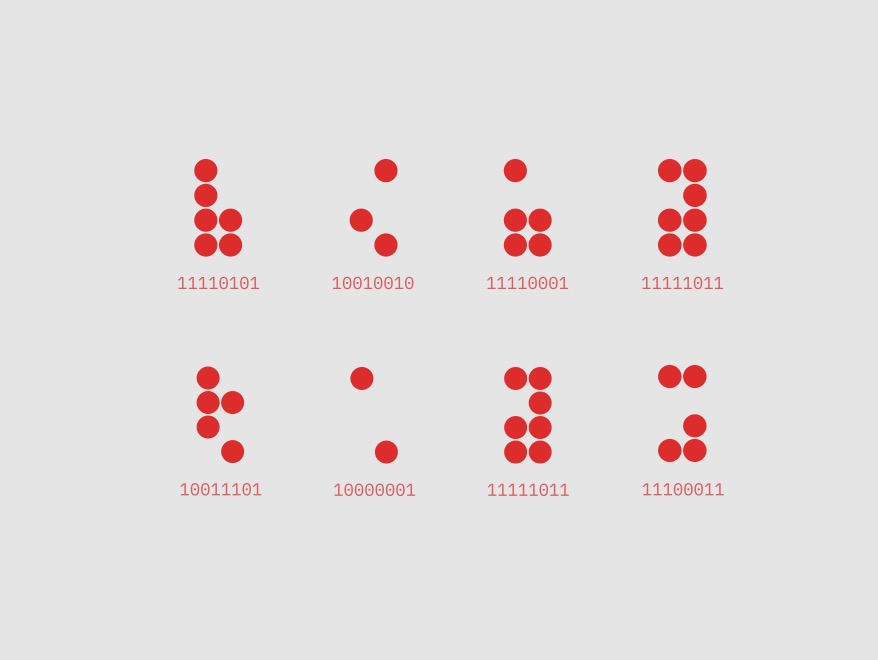
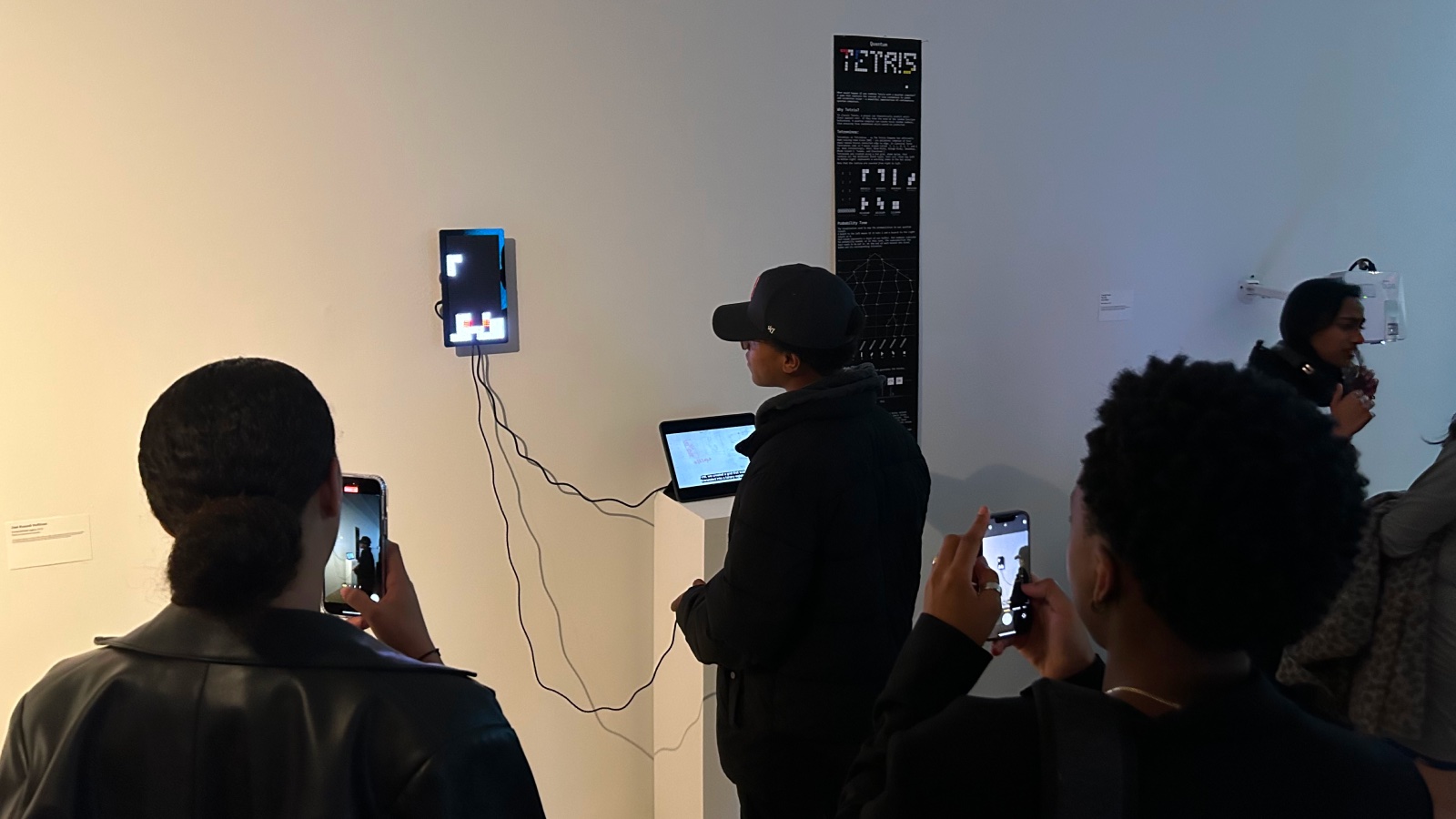
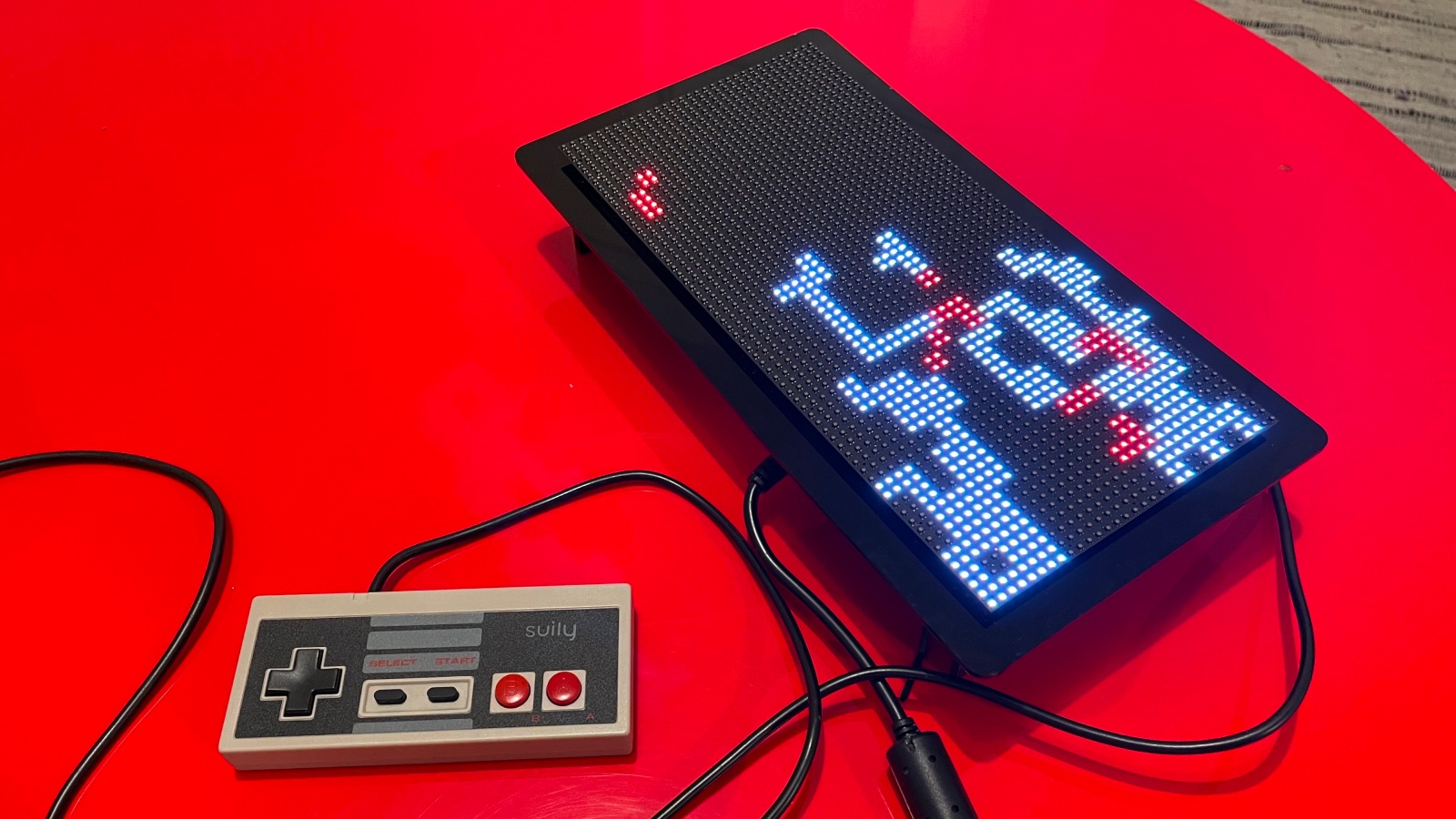
Quantum Tetris is developed within IBM’s Quantum Design Jam from Parsons School of Design and IBM in October 2021, NYC. A two week design jam focused on communicating big ideas of quantum computers intuitively through creative visual or audio representations. I was partly responsible of our first iterations of prototypes in processing and later the tetronimoe generation code migration to other frameworks like python and javascript. In 2023 I was also involved in the physical game fabrication and onsite installation for the exhibition at Microscope Gallery, NYC. We chose to create a Tetris game to explore and highlight two major characteristics of contemporary quantum computers: True randomness and noise. As each tetronimoe is generated using a quantum computer. The circuit is set up to generate only the seven classic shapes; however, due to noise, the quantum computer generates pieces that should not exist, which will be assigned the color red to highlight as unique shapes while simultaneously visualizing the noise happening in the quantum circuit.
Generating shapes
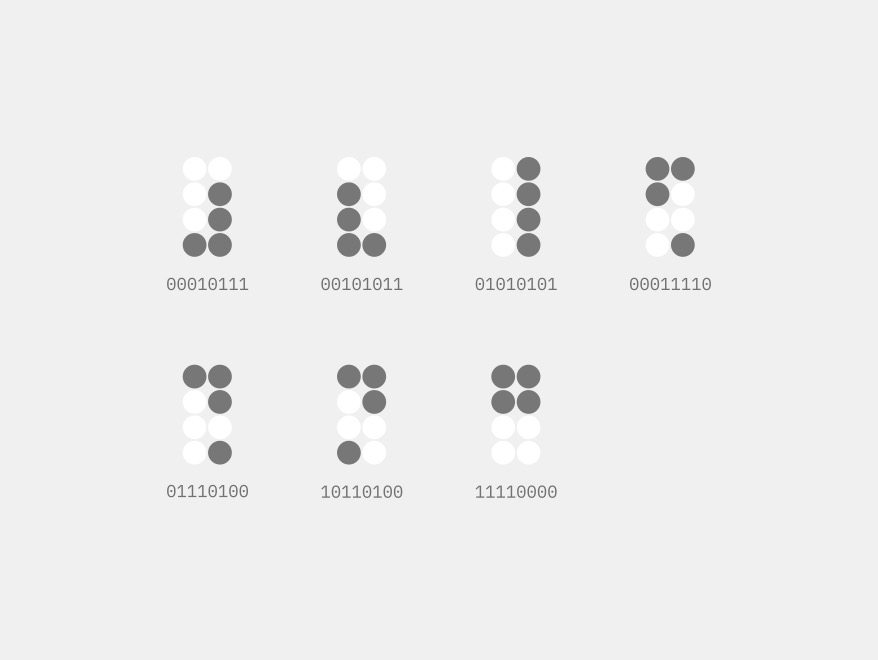
All the possible shapes in a tetris game is stored in the 2*4 grid each stores a binary state. The values within each set of grids are generated by the 8-bit decision tree illustrated in the diagram. Each bit is run on a quantum computer powered by IBM’s qubits, where we leveraged to create true randomness adhear to our custom probability distribution. Theoratically, within our custom environment (created by the decision tree), we can expect only the conventional shapes. However, noises occur when contemporary quantum computers experience environmental interferences over their runtime, producing the anomalous shapes in the diagram. We decided to treat them as an intergral part of the experience by highlighting them with different colors.
Quantum Art Exhibition @Microscope Gallery , NYC

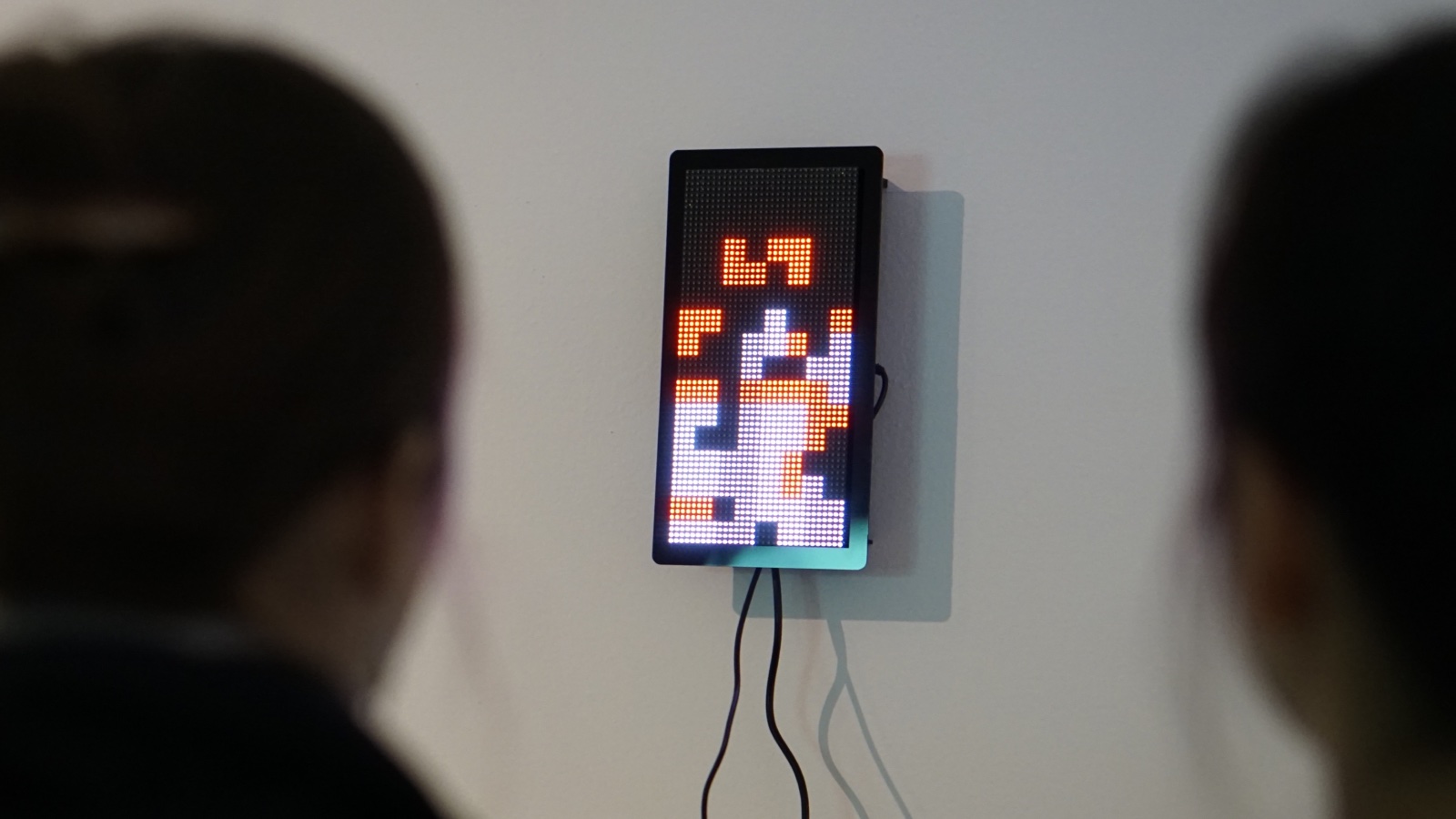
Quantum Design Jam | Parsons, TNS
Collaborators
Instructors
Lin Zhou
Sven Travis